How to Choose a Fundraiser Product Menu Without Overloading Your Shop
Build a fundraiser menu around your shop’s actual capacity, with a product selection method, a worked quantity-limit example, and a practical planning checklist.
Reserve capacity for the regular shop first
Write down what is already committed during the preparation and fulfillment period: regular counter sales, wholesale orders, special orders, staff availability, and equipment use. Fundraiser capacity is what remains after those commitments and a practical buffer for delays or rework.
Check four limits separately:
- Product supply: What can you make or receive by the preparation deadline, using confirmed ingredients and supplier lead times?
- Staff time: Who has time to portion, assemble, label, and check orders? Include setup and cleanup rather than counting only the fastest repetitive step.
- Storage: How much usable space remains at the busiest point, when fundraiser products and regular stock overlap? Check the actual packed shape, not just container volume.
- Serving or packing throughput: What can the team finish during the available work window without pulling people away from planned shop service?
Record the smallest workable limit. Extra ingredients do not solve a packing bottleneck, and an empty freezer shelf does not create another staff shift.
CO— by the U.S. Chamber of Commerce recommends consistent stock counts and documented processes for receiving and moving inventory in its inventory management guide. Apply that basic discipline here: count what is available before putting it on the fundraiser menu.
Give every proposed product a job
Start with products your team already knows how to make and serve. Use your own sales and preparation records to identify dependable options. A familiar seller is a candidate, not proof that a new partner will order it in the same proportions.
For each candidate, complete a short menu card:
- Exact offer: Product, flavor, size, quantity, and everything included.
- Reason to include it: A familiar choice, a different price point, a shareable format, or a specific request you can fulfill accurately.
- Work required: Preparation steps, packaging, staff skills, equipment, and storage space.
- Supply confidence: Ingredients and packaging on hand, confirmed replenishment, and any minimum batch size.
- Decision: Include, simplify, or leave for a future campaign.
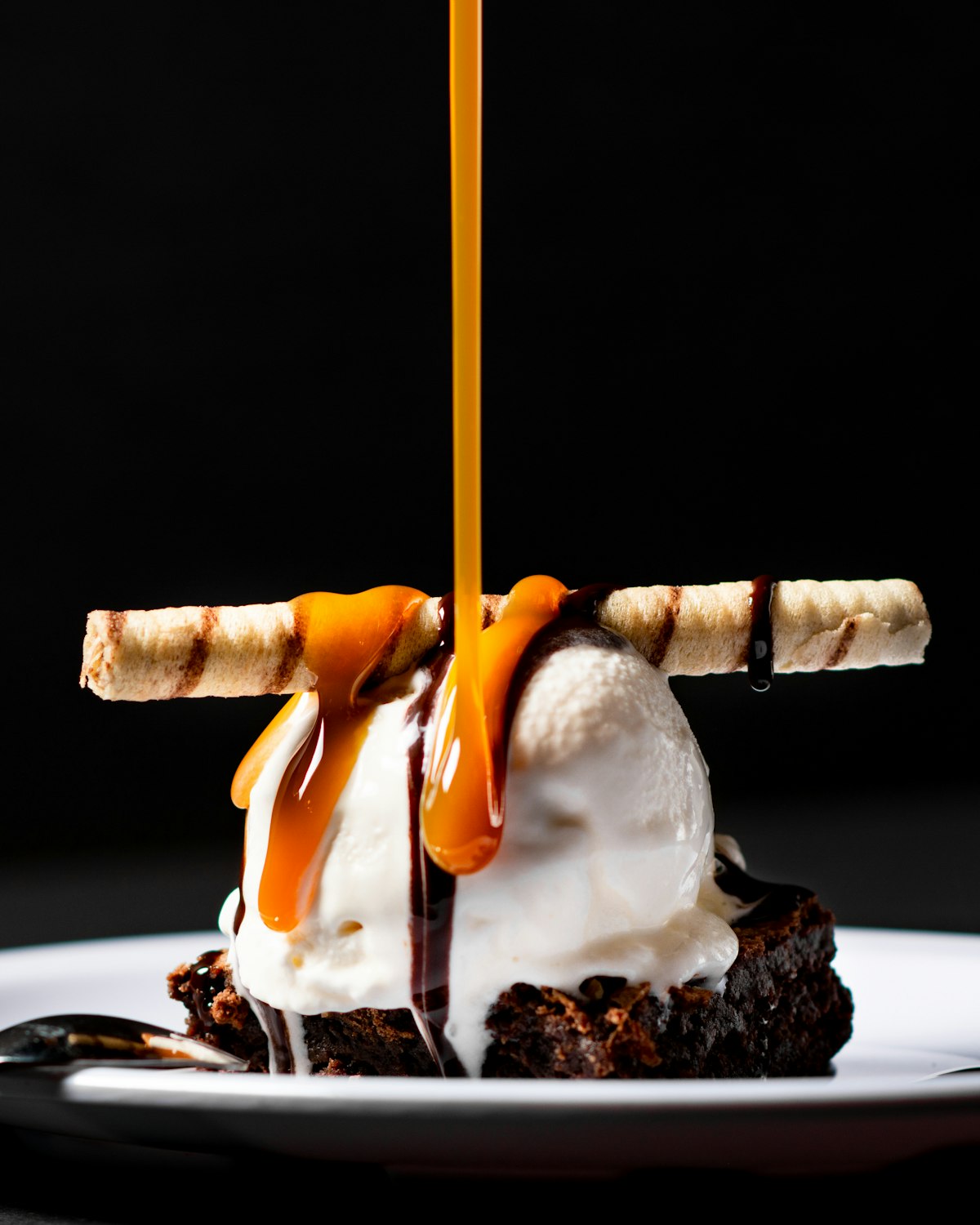
A fixed pack of sandwiches may fit a shop that already makes and wraps them. A sundae kit may fit if each component can be portioned and checked without creating a new assembly process. Scooped cups may fit an event with enough serving capacity. These are possibilities to evaluate against your operation, not a universal recommended menu.
For an additional dietary option, confirm the actual product information and handling process before describing it to supporters. Use the separate product and allergen information checklist for that review.
Count choices and components, not just menu headings
A menu with three product names can still contain many distinct items to track. Three flavors in two sizes create six flavor-and-size combinations before you add toppings or bundles. Every combination needs an unambiguous order description and a way for staff to distinguish it.
Try simplifying one dimension at a time:
- Offer one fundraiser size for a product instead of every counter size.
- Use a fixed assortment when the contents can be stated clearly.
- Include one defined topping pack rather than open-ended customization.
- Keep special-order products off the menu if their separate process cannot fit the schedule.
Count shared components, too. If a sandwich pack and a sundae kit both use the same cookie, their combined orders draw from one cookie supply. A cap on each product is not enough if both caps assume access to the entire shared stock.
For example, 40 kits using two cookies each plus 30 packs using four cookies each require 200 cookies. Reserve any cookies needed for regular shop sales before deciding whether that menu is feasible. The same check applies to containers, lids, labels, and shared ice cream flavors.
Set quantity limits from a measured trial
Prepare a representative small batch using the actual packaging and planned workflow. Record staff time, elapsed time, storage footprint, and any checking or rework. A second staff member should be able to identify the finished products without asking the person who packed them.
Here is a fictional example for one standardized take-home pack:
- The shop has 240 staff-minutes available after regular work is covered.
- Setup, cleanup, and a disruption buffer take 60 minutes, leaving 180 staff-minutes.
- A trial takes three staff-minutes per finished pack, including labeling and checking: 180 ÷ 3 = 60 packs.
- Usable storage fits 50 packs, and confirmed ingredients and packaging cover 70.
The planning ceiling is therefore 50 packs, the lowest of the three limits. The owner could choose a lower sales cap if the trial did not capture enough uncertainty. This is a capacity ceiling, not a prediction of demand.
Do not apply one product's rate to a mixed menu. If a kit takes twice as long as a plain container, account for that difference. Check the most demanding plausible order mix rather than assuming every flavor and format will sell evenly. For an in-shop event, trial the full serving sequence and protect regular counter coverage instead of using a take-home packing rate.
Agree who tracks orders against the limits and who can pause an item. Verify how your actual ordering setup enforces availability; do not assume a written quantity cap automatically prevents extra sales.
Check the menu against costs and likely demand
Before approving a product, list its ingredients, packaging, preparation time, and other campaign costs. Compare those with the selling price and the organization's agreed share. A higher-priced item can still consume more work and resources than your shop can support. Use the profit-split planning guide for the financial calculation.
Ask the organizer which offers are easiest to explain and whether the price points fit the audience. Treat this feedback as a planning input. Expressions of interest are not paid orders, and a school enrollment figure is not a purchase commitment.
Check small-order feasibility as well as maximum capacity. If a flavor requires a large batch but attracts only a few orders, decide before launch whether the shop can absorb the remainder through normal sales. If it cannot, remove that option or develop clear minimum-order terms with the partner before anyone buys. Avoid discovering an unstated minimum after checkout.